WarioWare's director on life after Nintendo: 'I no longer need to think about profitability'
Goro Abe spent more than 25 years at Nintendo and left earlier this year to teach. He says the move has changed what he thinks a game should be for — and he's already planning new ones.
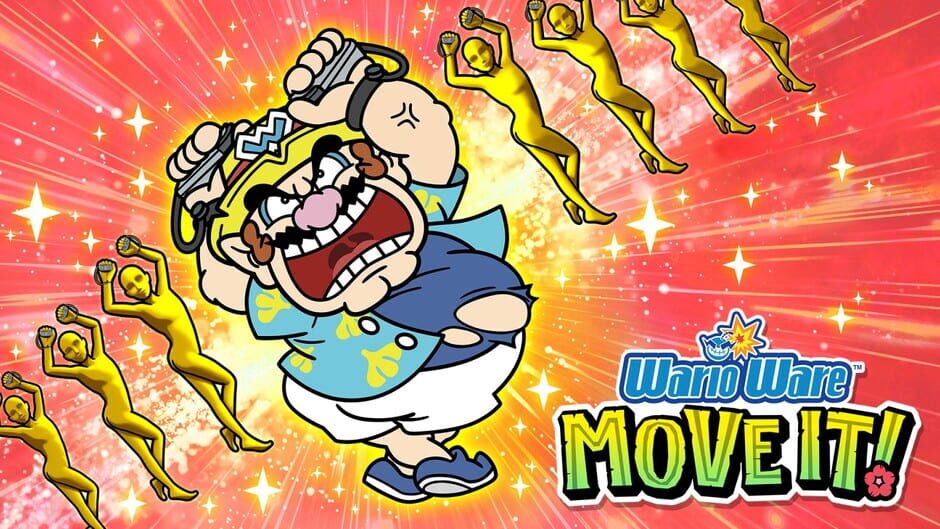
Goro Abe directed WarioWare for a quarter of a century. He left Nintendo earlier this year, and in a new interview with VGC he explains what that actually freed him from.
Why he left
The reasoning is arithmetic more than anything else. "Making games takes a lot of time, and I knew that based on my age and career that I could not make that many more games in the future," Abe said. He wanted "to challenge myself to do other stuff" — which turned into teaching.
Abe now teaches game design at Osaka Electro-Communication University and leads its Experimental Game Design Laboratory, where the brief is games that engage with social issues. His research, he says, is about "creating games that I've never done before and leveraging, for instance, the controller as the basic input to make something new."
What changed
The most pointed line in the interview is about constraints falling away. "I no longer need to think about profitability, making sure you can sell a lot, or making sure you understand the dedicated controllers or specialized devices," Abe said, adding that he wants to make "things that are a bit more outside of the box" and that his approach now is "trying not necessarily to make games for gamers, but games for other people."
He also describes gaining a view of the industry he could not get from inside Nintendo: "different perspectives, like how other companies and developers are thinking, and also understanding the indie scene a little bit more." Being around students, he says, puts him "closer to the players."
He isn't done making games
Teaching is not a retirement. "I'm already thinking of making new things with people from the industry and developers I know," Abe said. Nothing is announced, and he names no project or collaborator.
WarioWare still earns its keep in his classroom: Abe notes that building very short games carries a lot of constraints, which makes it a useful way to teach students to solve problems inside tight limits.
Why it matters
Abe is one of the few designers whose entire body of work is built on strange inputs — microgames, tilt, touch, motion. Hearing him say the commercial filter is off, and that he is thinking about making things for people who aren't gamers, is a more interesting signal than most post-Nintendo career moves.
Why it matters
Abe's work has always been about unusual inputs and very short-form design, and he is now free of commercial constraints and openly planning new projects — which makes his next move worth watching even without an announcement attached.